

To create a marketing campaign, set one clear goal, define your audience, write a single core message, choose your channels, launch with a budget and timeline, and measure results against the goal. A marketing campaign is a planned set of activities, across one or more channels, that promotes a specific offer or message for a defined period.
Key takeaways
- A campaign has one goal, one audience, one message, and an end date.
- Campaigns raise visibility, create engagement, and give you data about what customers want.
- Choose channels by where your audience pays attention, not by habit.
- Measure results against the goal you set before launch.
- Treat marketing as an investment: track the return, and keep what works.
Why marketing campaigns matter
Marketing helps you sell more, position your brand, and reach the people most likely to buy. Campaigns focus that effort. Instead of posting randomly, you concentrate budget and attention on one goal for a set period.
Visibility
In a crowded market, customers see many similar offers. A campaign gives you a repeated, consistent message so people remember you.
Engagement
Campaigns invite action: click, reply, download, book. Those actions give you a way to start relationships with new and existing customers.
Learning
Each campaign shows which messages, offers, and channels work. That information improves your products, pricing, and future campaigns.
Other ways to attract customers
Marketing is not the only route. Referrals from existing customers, partnerships and sponsorships, and public relations can also bring in business. Most companies combine them, and start with marketing when they want growth within a reasonable time frame.
Types of marketing campaigns
| Type | Main goal | Typical channels |
|---|---|---|
| Brand awareness | Be known by more of the right people | Video, social, display ads |
| Lead generation | Collect contact details of interested buyers | Search ads, landing pages, content offers |
| Product launch | Drive first sales of something new | Email, social, paid ads, PR |
| Retention | Bring customers back | Email, loyalty offers |
| Seasonal promotion | Lift sales around a date or event | Email, social, ads |
How to create a marketing campaign in 6 steps
- Set a goal. Pick one measurable result, such as 100 leads or a set number of sales, and a deadline.
- Define your target audience. The target audience is the group most likely to buy. Identify it with surveys, customer interviews, and your CRM data.
- Write your core message. State the problem, the offer, and the action you want in one or two sentences.
- Choose channels. Match them to your audience and goal. Two or three well-run channels beat six weak ones.
- Set a budget and timeline. Decide how much to spend per channel and when each piece goes live.
- Launch, measure, and adjust. Check results weekly, pause what underperforms, and put more behind what works.
A worked example: a lead generation campaign
Here is how the six steps look in practice for a generic service business. The details are illustrative, so adapt them to your own numbers.
- Goal: collect qualified leads for a new service over eight weeks.
- Audience: owners of small companies in one industry who have a specific problem you solve.
- Message: "Fix this problem in one step. Download the checklist or book a call."
- Channels: search ads for buying-intent phrases, plus an email sequence to people who download the checklist.
- Assets: one landing page, one checklist, three emails, two ad variations.
- Review: a short check every week and a full review at week eight.
At the end, the team compares leads and customers against the goal, notes which ad and email performed best, and uses that to plan the next campaign.
Pre-launch checklist
- The goal, audience, message, and end date are written down.
- Every ad and email points to a page with one clear call to action.
- Forms send leads to your CRM with their source recorded.
- Someone owns follow-up and knows how fast to respond.
- Tracking links are tested on a phone and a computer.
Choosing the right channels
Ask where your audience looks for answers. Buyers searching for a solution respond well to search ads and SEO content. Audiences who are browsing respond better to social and video. Existing customers respond well to email.
For paid campaigns, see our paid media approach. For capturing leads from a campaign, see lead generation. If email carries part of your campaign, our email marketing service covers sequences and reporting.
Measuring campaign results
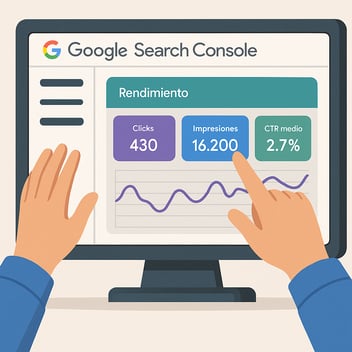
Match metrics to the goal. An awareness campaign looks at reach and branded searches. A lead campaign looks at leads, cost per lead, and lead quality. A sales campaign looks at revenue and return on investment.
- Track every lead's source in a CRM.
- Compare results to the goal, not to last month alone.
- Record what you learned for the next campaign.
Connecting campaigns to revenue is easier in HubSpot, where marketing and sales data sit together. Our HubSpot CRM team sets this up. For a broader plan around your campaigns, read our guide to building a digital marketing strategy.
Campaigns with a nearshore partner
Running a campaign needs strategy, creative, ads, and reporting at the same time. Frenzy is a HubSpot Partner in Guatemala City that works on US Central time with a bilingual team, so you get same-day collaboration, and the ability to run campaigns in English and Spanish.
Frequently asked questions
What is a marketing campaign?
It is a coordinated set of marketing activities built around one goal, one audience, and one message, running for a limited time. Examples include a product launch, a seasonal promotion, or a lead generation push.
How long should a marketing campaign run?
It depends on the goal and the channel. Many paid campaigns run for four to twelve weeks so you can collect enough data. Seasonal promotions follow the calendar. Set an end date before you launch.
How do I know if a campaign worked?
Compare results to the goal you set. If the goal was leads, count qualified leads and cost per lead. If it was sales, track revenue against spend. Do not judge by clicks alone.
Is marketing an investment or an expense?
It is an investment when you track the return. Campaigns that bring in customers worth more than they cost build the business over time. Measure it to prove it.
What is the difference between a campaign and a strategy?
A strategy is your long-term plan for how marketing supports business goals. A campaign is one time-boxed effort inside that plan, with its own goal, message, and end date.
Can a small business run a campaign on a small budget?
Yes. Focus on one goal and one or two channels, and reuse content across them. Email to your existing list and a small search ad test are low-cost places to start. Measure results before you spend more.
Planning your next campaign?
We will help you set the goal, pick the channels, and track the results.
Book a free 20-minute call